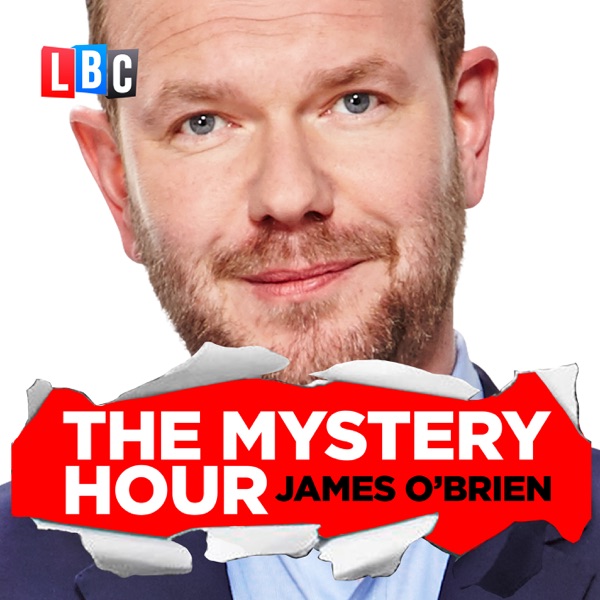
Global|758 - I just can't get my chips to taste like the real deal?
If you've ever wondered "why", then this is the hour for you. Sometimes simple, sometimes intelligent, but almost always entertaining, probably the best hour of radio you could ever download!
For exclusive content and ad-free episodes of all James' podcasts, subscribe to James O'Brien Plus! You can find out more and sign up here: https://jamesobrienplus.com.
You can email the show and get involved at any time
jamesobrienshow@global.com. If you're a subscriber, email jamesobrienplus@global.com.
For advertising opportunities on this podcast, email: GlobalStudiosSales@global.com
00:00
00:00
Resumen del episodio
In this episode of LBC's Mystery Hour, James O'Brien and a variety of callers explore a wide range of scientific, linguistic, and everyday curiosities. The discussion covers topics such as the seasonal association with cinnamon, the difficulty of replicating chip shop chips at home, and the physics behind why large celestial bodies are spherical.
The episode also delves into the chemistry of gas safety and carbon monoxide, the etymology of words like 'decimate', and the science of biscuit sogginess when dunked in tea. From neurodivergence in animals to the historical interchangeability of the letters U and V, the show provides expert answers to a diverse array of listener questions.
Capítulos
Haz clic en un capítulo para ir directamente a ese momento
Destacados
Curiosity is what drives Mystery Hour.
00:02:03 · James O'Brien explains the fundamental motivation behind the show's format of listeners asking questions.
Decimate is to reduce something by 10%, not to reduce something to 10%.
00:14:30 · James O'Brien corrects his own previous misuse of the word 'decimate' during a discussion on migration figures.
The way you make carbon monoxide is to re-burn the carbon dioxide from your fuel. So it goes back around a little bit.
00:28:11 · A former health and safety inspector explains the chemical process behind how carbon monoxide is produced in certain gas appliances.
the molecular density of each liquid one that has milk in it will absorb quicker into the biscuit and the one without will not all to do with as you are right the fats in the liquid that changes the molecular density
00:31:27 · A pharmaceutical scientist explains how the presence of fat in milk affects the rate at which biscuits absorb liquid.
In Latin, they were written the same because they are basically the same sound, a vowel version and a consonant version.
00:45:17 · A linguist explains why the letters U and V were historically interchangeable in Latin script.
In this episode of LBC's Mystery Hour, James O'Brien and a variety of callers explore a wide range of scientific, linguistic, and everyday curiosities. The discussion covers topics such as the seasonal association with cinnamon, the difficulty of replicating chip shop chips at home, and the physics behind why large celestial bodies are spherical.
The episode also delves into the chemistry of gas safety and carbon monoxide, the etymology of words like 'decimate', and the science of biscuit sogginess when dunked in tea. From neurodivergence in animals to the historical interchangeability of the letters U and V, the show provides expert answers to a diverse array of listener questions.
Publicado26 nov. 2026
Duración51:33
Episodios
758-
I just can't get my chips to taste like the real deal?
Escuchado
In this episode of LBC's Mystery Hour, James O'Brien and a variety of callers explore a wide range of scientific, linguistic, and everyday curiosities. The discussion covers topics such as the seasonal association with cinnamon, the difficulty of replicating chip shop chips at home, and the physics behind why large celestial bodies are spherical.
The episode also delves into the chemistry of gas safety and carbon monoxide, the etymology of words like 'decimate', and the science of biscuit sogginess when dunked in tea. From neurodivergence in animals to the historical interchangeability of the letters U and V, the show provides expert answers to a diverse array of listener questions.
26 nov. 2026
757-
How often do squirrels fall out of trees?
Escuchado
In this episode of Mystery Hour, James O'Brien and callers explore a wide range of unexplained phenomena and historical curiosities. The discussion covers everything from the physiological reasons behind limb crossing preferences and habitual physical postures to the historical origins of men's suits and US political symbols like the elephant and donkey.
The segment also delves into scientific explanations for everyday occurrences, such as why airport runways are oriented in specific directions, the chemical reaction behind onion-induced eye stinging, and the behavior of deer in Richmond Park. Additional topics include anecdotes about squirrel behavior and the psychological connection between callers and presenters sharing the same name.
19 nov. 2026
756-
How to stop pesto going mouldy?
Escuchado
James O'Brien hosts the 'Mystery Hour' on LBC, where listeners call in with a diverse range of questions spanning science, linguistics, and everyday curiosities. The episode explores topics such as food preservation and the microbiology of mold, the physics of mass in charged batteries, and the stability of three-legged chairs.
The discussion also delves into the mechanics of animal behavior, including how fish synchronize movement, and examines psychological concepts like operant conditioning in relation to travelators. From the world's longest shadow to the linguistic nuances of 'pre-booking,' the segment provides detailed answers to a variety of random inquiries.
13 nov. 2026
755-
Why does my hair look grey?
Escuchado
In this episode of Mystery Hour, James O'Brien celebrates his 20th anniversary at LBC by exploring a wide array of listener queries. The program features callers providing scientific and historical insights into topics ranging from the chemistry of autumn leaves and the prevalence of tartan pyjamas to the logistics of filming major motion pictures in active railway stations.
Listeners also delve into personal mysteries, such as the phenomenon of monochrome imagination, the origins of the 'Irish exit,' and why grey hair appears differently in mirrors compared to photographs. The episode highlights the expertise of various callers, including arborists, photographers, and former supporting artists.
05 nov. 2026
754-
You never see a seagull in a tree?
Escuchado
In this episode of LBC's Mystery Hour, James O'Brien and various callers explore a wide range of curiosities, from the etymology of English place names like 'Chipping' to the biological differences between beard and head hair. The discussion covers topics such as the mechanics of voice resonance, why seagulls avoid perching in trees, and the historical origins of the 'bogeyman'.
The show also delves into scientific and historical trivia, including the physical properties of carbon dioxide, the history behind the shape of the Perrier bottle, and how hormones affect body hair. The episode concludes with a news report regarding allegations involving Nigel Farage during a political procession.
29 oct. 2026
753-
Welcome to James O'Brien Plus
Escuchado
James O'Brien introduces the new subscription features for his podcast series on Global Player. The update offers listeners ad-free episodes and access to weekly bonus content through the Ask James Anything segment, where listeners can submit questions on various subjects.
The subscription also includes access to archived moments from his LBC show and behind-the-scenes insights into his broadcasting process. Listeners are encouraged to engage via email for newsletter suggestions and ideas.
26 oct. 2026
752-
My dogs' strange relationship with the butchers?
Escuchado
In this episode of Mystery Hour, James O'Brien explores a wide array of historical, scientific, and linguistic curiosities through listener questions. The discussion covers topics ranging from the biological mechanics of sneezing and the genetics of left-handedness to the commercial origins of three-volume novels and the etymology of phrases like 'dead ringer'.
The show also delves into various trivia points, including why some people are more photogenic than others, the salinity of the ocean, and the practical reasons behind naming fighter jets. The episode concludes with a debate over historical accuracy as James awards a game to a caller.
22 oct. 2026
751-
Isn't this a motoring question?
Escuchado
In this episode of Mystery Hour, James O'Brien takes calls from listeners presenting various enigmas, ranging from the etymology of 'Wendy houses' and the origin of the word 'limb' to the mechanics of sharpening razors on leather. The show explores diverse topics including the utility of pedestrian crossing buttons, the role of pheromones in human attraction, and the history of Roman numerals on clocks.
Listeners also engage in debates regarding political messages, the definition of general knowledge, and technical explanations provided by experts, such as a roads policing officer explaining traffic light sensors. The episode concludes with discussions on physical reactions and the scientific consensus regarding biological drivers of attraction.
15 oct. 2026
750-
Why is three the magic number?
Escuchado
In this episode of Mystery Hour, James O'Brien and guests explore a wide range of scientific and evolutionary curiosities. The discussion covers everything from DIY fruit fly traps and the physics of candle flames to why humans experience 'nose blindness' and the evolutionary reasons behind our preference for expansive views.
The show also tackles various listener questions regarding the sensory capabilities of birds, the nutritional differences between types of salt, and the mechanics of how rain can lead to car tire punctures. From aquarium fish behavior to the significance of the number three, no mystery is left unexamined.
08 oct. 2026
749-
How did ancient buildings end up buried?
Escuchado
James O'Brien hosts the 'Mystery Hour,' where callers present questions for the host and listeners to answer without looking up information. The episode covers a wide range of topics, including the mechanics of how archaeological buildings become buried, the historical origins of the full English breakfast, and why pigs are a staple breakfast meat.
The discussion also explores various scientific and psychological phenomena, such as the utility of altitude displays on Norwegian trains, the biological relationship between trees and fungi, and the concept of inattentive blindness. Additionally, callers touch upon lighter subjects like the habits of radio callers and whether TV quiz shows edit pauses into their broadcasts.
01 oct. 2026
748-
Who's filtering these callers?
Escuchado
In this episode of 'Mystery Hour,' James O'Brien and various callers explore a wide range of curious questions spanning biology, linguistics, and history. The discussion covers everything from the functional purpose of the small pocket on jeans and the origins of the exclamation 'ow' to the complexities of the human swallowing reflex and the development of regional accents in British Sign Language.
The segment also delves into physical phenomena, such as the mechanics of tongue movement while chewing, the electrical differences between US and UK power grids, and how the autonomic nervous system triggers wakefulness. Ultimately, the episode connects these seemingly unrelated topics through the common theme of involuntary physiological responses to stimuli.
24 sep. 2026
747-
What makes a crisp a crisp?
Escuchado
In this episode of Mystery Hour, James O'Brien explores a wide range of curiosities through listener interactions. The discussion covers everything from the structural reasons behind horizontal shirt buttons and how urban foxes survive droughts to the technical debate over what truly qualifies as a 'crisp.'
The show also delves into human biology and psychology, examining why stomachs rumble when empty, the mechanics of the fight-or-flight response, and the instinctual drive to park near others in empty car parks. Additionally, listeners share insights on Oyster card data storage and the development of mechanical models for pharmaceutical research.
17 sep. 2026
746-
I've got to smell my dog's paws
Escuchado
In this episode of Mystery Hour, James O'Brien and various guests explore a wide array of scientific, historical, and everyday curiosities. The discussion covers everything from the biological reasons why dog paws smell like popcorn and how ancient civilizations developed base-12 mathematics to the science behind mushroom flavor intensification and the visibility of the moon during the day.
Listeners also delve into the mysteries of modern life, investigating why margarine consistency has changed, the mechanics of peanut butter oil separation, and the psychological implications of arm-crossing. The episode concludes with historical insights into battlefield casualty practices and the biological limitations that prevent strawberries from overrunning the world.
10 sep. 2026
745-
What's the point of bay leaves?
Escuchado
In this episode of Mystery Hour, James O'Brien and guests explore a wide range of listener inquiries, from the historical ambiguities of leap year dates to why cats are drawn to square objects. The show delves into the science of taste through the concept of umami, investigates the mechanics behind revolving doors, and examines how modern television uses Automatic Content Recognition for targeted advertising.
The episode also features a deep dive into industrial history with an interview with Brian, a retired factory worker, who discusses his 32-year career at Heinz and the technical evolution of can production.
03 sep. 2026
744-
Smallest living thing in the human body?
Escuchado
James O'Brien hosts a segment of Mystery Hour, engaging with callers on a wide array of scientific, historical, and trivia-based questions. The episode explores topics ranging from the history of chef uniforms and the chocolate textures of Cadbury bars to biological inquiries regarding amoebas, rodent tooth growth, and the scale of viruses.
The conversation also delves into the mechanics of the water cycle, the unique business model of Sam Smith's pubs, and the physiological sensations of brain freeze. Through listener interactions, the host explores various curiosities including film trivia involving Frank Sinatra and the sensory experiences of synesthesia.
27 ago. 2026
743-
Why can we smell rain before it falls?
Escuchado
In this episode of the 'Mystery Hour' on LBC, James O'Brien and guests answer a diverse range of listener questions. The discussion covers human physiology, such as how we regulate body temperature and why we can smell rain before it falls, alongside topics like the legal nuances of court oaths and the behavior of seagulls.
The episode also explores technical and scientific curiosities, including the mechanics of maritime weight limits via the plimsoll line, the impact of water density on buoyancy, and the architectural reasons behind arch-shaped railway stations. Additional segments touch upon gardening, specifically regarding drought-resistant weeds and tree fern care.
20 ago. 2026
742-
Why does posh slang stay the same?
Escuchado
In this episode of Mystery Hour, James O'Brien and various callers explore a wide range of scientific and social curiosities. Topics include the physics of opening a soda can in space, the behavior of eggs underwater, and why toddlers can accelerate so quickly to escape adults.
The conversation also delves into linguistic evolution between urban and posh slang, the visibility of meteor showers, and biological mysteries such as how SPF usage affects freckles and the evolutionary theories behind peripheral vision.
13 ago. 2026
741-
Walking around in a see-through dress?
Escuchado
James O'Brien opens Mystery Hour with news regarding political candidates before diving into a wide-ranging series of listener questions. The episode explores diverse topics, from the social norms of seaside attire and the sensation of 'ghost glasses' to the scientific reasons behind circular planetary craters and the physics of football celebrations.
The discussion also touches upon the linguistic origins of historical dating, the persistence of Northern English surnames, and the mechanics of why public toilets may smell. The show concludes by addressing the visual effects of polarizing sunglasses and awarding a prize to a listener.
06 ago. 2026
740-
Harmonica making my dog howl
Escuchado
In this episode of Mystery Hour, James O'Brien and various callers explore a wide array of scientific, historical, and trivial curiosities. The conversation covers topics ranging from the science of milk absorption in porridge and whether birds possess taste buds to the historical origins of Scotland Yard and the etymology of UK place names.
The segment also delves into the mechanics of 20/20 vision, the biological processes of egg production in hens, and the unique historical traffic patterns at the Savoy Theatre. From the hygiene of public transport seating to why dogs howl at harmonicas, the episode provides answers to a diverse range of listener questions.
30 jul. 2026
739-
Do crabs have a dominant claw?
Escuchado
James O'Brien hosts a 'Mystery Hour' segment where callers present various enigmas for the audience to solve. The episode covers a wide range of topics, including the etymology of 'peppermint', the spelling history of Boreham Wood, and the requirements for installing hedgehog crossing signs.
The discussion expands into diverse subjects such as the physics of solar energy reflected by the moon, historical reasons for driving on the left side of the road, and the mechanics of injury time in rugby versus football. The episode also explores US political registration strategies, motorway numbering systems, and the evolutionary biology and communication methods of fiddler crabs.
23 jul. 2026
738-
Are my polished nails suffocating?
Escuchado
In this episode of Mystery Hour, James O'Brien and his guests explore a wide array of curiosities, from the scientific nature of laughter and the biological mechanisms of cell growth to the peculiar logistics of ice cream van routes in Scotland. The discussion ranges from lighthearted debates on sartorial choices and the inaccuracy of washing machine timers to historical anecdotes regarding 10 Downing Street.
Listeners also weigh in on various modern dilemmas, including the challenges of gluten-free bread, the effectiveness of smartwatch sleep tracking, and how dogs navigate through woods at high speeds. The segment blends personal anecdotes with scientific inquiries, covering everything from the history of military goose-stepping to the mystery of whether fingernails can breathe under nail varnish.
25 jun. 2026
737-
Do birds herd sheep?
Escuchado
In this episode of Mystery Hour, James O'Brien and various callers explore a wide array of curiosities, ranging from the science of glassware and champagne preservation to the mechanics of auction increments. The discussion delves into unexpected topics, including the functionality of lift buttons in the UK, the behavior of pollinators, and the biological navigation of mice.
The episode also addresses lighter mysteries, such as a surge of 'quack' messages from listeners and the logic behind fishermen wearing camouflage. From the defensive behaviors of lapwings protecting their nests to the industry standards of lift safety, the show connects diverse scientific and anecdotal observations.
18 jun. 2026
736-
Ducks in the sea?
Escuchado
James O'Brien hosts the 'Mystery Hour,' navigating a range of topics from the scientific density of sweet potatoes and the history of playing cards to the biological recycling of elements in the natural world. The episode also features discussions on birdwatching with the Merlin app and the behavior of sea-dwelling ducks in Greece.
The episode is marked by breaking news regarding the resignation of the Secretary of State for Defence, John Healy. The discussion explores the political tension between military readiness and Treasury spending constraints, and the potential impact of this resignation on Prime Minister Keir Starramer's leadership.
11 jun. 2026
735-
Can mosquitoes get drunk?
Escuchado
James O'Brien hosts a series of 'Mystery Hour' segments, where listeners pose whimsical and scientific questions for the hosts and guests to answer. The episode explores a wide range of topics, from the biological effects of alcohol on mosquitoes and the mechanics of skin pigmentation to the logistics of bus route numbering and the movement of cars into shopping malls.
Through a mix of humor and scientific explanation, the show delves into the nuances of genetics, such as DNA sharing between relatives, and the biological realities of eyelash mites and regional accents. The segments feature expert insights into how thermal sensing works in insects and the role of melanocytes in protecting the skin from UV light.
04 jun. 2026
734-
Why is popcorn a cinema snack?
Escuchado
This is a catch-up version of James O'Brien's Mystery Hour. To join the game, call 0345 60 60 973, Thursdays at 12pm.
28 mayo 2026
733-
How do football commentators remember players?
Escuchado
This is a catch-up version of James O'Brien's Mystery Hour. To join the game, call 0345 60 60 973, Thursdays at 12pm.
21 mayo 2026
732-
When did people start Mexican waving?
Escuchado
This is a catch-up version of James O'Brien's Mystery Hour. To join the game, call 0345 60 60 973, Thursdays at 12pm.
14 mayo 2026
731-
Why are slugs coming for my dishwasher?
Escuchado
This is a catch-up version of James O'Brien's Mystery Hour. To join the game, call 0345 60 60 973, Thursdays at 12pm.
07 mayo 2026
730-
Why has my bagel got a hole in it?
Escuchado
This is a catch-up version of James O'Brien's Mystery Hour. To join the game, call 0345 60 60 973, Thursdays at 12pm.
30 abr. 2026
729-
What colour is his ball?
Escuchado
This is a catch-up version of James O'Brien's Mystery Hour. To join the game, call 0345 60 60 973, Thursdays at 12pm.
23 abr. 2026
728-
Why is the luggage all over the place?
Escuchado
This is a catch-up version of James O'Brien's Mystery Hour. To join the game, call 0345 60 60 973, Thursdays at 12pm.
16 abr. 2026
727-
Easter eggs: what's all that about?
Escuchado
This is a catch-up version of James O'Brien's Mystery Hour. To join the game, call 0345 60 60 973, Thursdays at 12pm.
02 abr. 2026
726-
Why are there so many breads?
Escuchado
This is a catch-up version of James O'Brien's Mystery Hour. To join the game, call 0345 60 60 973, Thursdays at 12pm.
26 mar. 2026
725-
Why don't I burn when I'm cycling?
Escuchado
This is a catch-up version of James O'Brien's Mystery Hour. To join the game, call 0345 60 60 973, Thursdays at 12pm.
26 mar. 2026
724-
Why are letters shaped like that?
Escuchado
This is a catch-up version of James O'Brien's Mystery Hour. To join the game, call 0345 60 60 973, Thursdays at 12pm.
12 mar. 2026
723-
Sniffing empty bottles?
Escuchado
This is a catch-up version of James O'Brien's Mystery Hour. To join the game, call 0345 60 60 973, Thursdays at 12pm.
05 mar. 2026
722-
Why is my hamster so ungrateful?
Escuchado
This is a catch-up version of James O'Brien's Mystery Hour. To join the game, call 0345 60 60 973, Thursdays at 12pm.
26 feb. 2026
721-
Where did they get the water from for the canals?
Escuchado
This is a catch-up version of James O'Brien's Mystery Hour. To join the game, call 0345 60 60 973, Thursdays at 12pm.
12 feb. 2026
720-
Why won't my glasses blow off?
Escuchado
This is a catch-up version of James O'Brien's Mystery Hour. To join the game, call 0345 60 60 973, Thursdays at 12pm.
29 ene. 2026
719-
An insult to science
Escuchado
This is a catch-up version of James O'Brien's Mystery Hour. To join the game, call 0345 60 60 973, Thursdays at 12pm.
22 ene. 2026
718-
Can you feel the tension in a room?
Escuchado
This is a catch-up version of James O'Brien's Mystery Hour. To join the game, call 0345 60 60 973, Thursdays at 12pm.
15 ene. 2026
717-
Is some music too hard to play?
Escuchado
This is a catch-up version of James O'Brien's Mystery Hour. To join the game, call 0345 60 60 973, Thursdays at 12pm.
08 ene. 2026
716-
My kitten won't listen to me
Escuchado
This is a catch-up version of James O'Brien's Mystery Hour. To join the game, call 0345 60 60 973, Thursdays at 12pm.
18 dic. 2025
715-
Mystery Hour Travel Edition: It's in a tin
Escuchado
This is a catch-up version of James O'Brien's Mystery Hour. To join the game, call 0345 60 60 973, Thursdays at 12pm.
11 dic. 2025
714-
How genetically related am I to Farage?
Escuchado
This is a catch-up version of James O'Brien's Mystery Hour. To join the game, call 0345 60 60 973, Thursdays at 12pm.
04 dic. 2025
713-
Raw meat, leaves and that?
Escuchado
This is a catch-up version of James O'Brien's Mystery Hour. To join the game, call 0345 60 60 973, Thursdays at 12pm.
27 nov. 2025
712-
Who invented the suit?
Escuchado
This is a catch-up version of James O'Brien's Mystery Hour. To join the game, call 0345 60 60 973, Thursdays at 12pm.
20 nov. 2025
711-
Where did "Geordies" come from?
Escuchado
This is a catch-up version of James O'Brien's Mystery Hour. To join the game, call 0345 60 60 973, Thursdays at 12pm.
13 nov. 2025
710-
A major induction hobs dispute
Escuchado
This is a catch-up version of James O'Brien's Mystery Hour. To join the game, call 0345 60 60 973, Thursdays at 12pm.
06 nov. 2025
709-
Unbelievable bee content
Escuchado
This is a catch-up version of James O'Brien's Mystery Hour. To join the game, call 0345 60 60 973, Thursdays at 12pm.